


See & Do
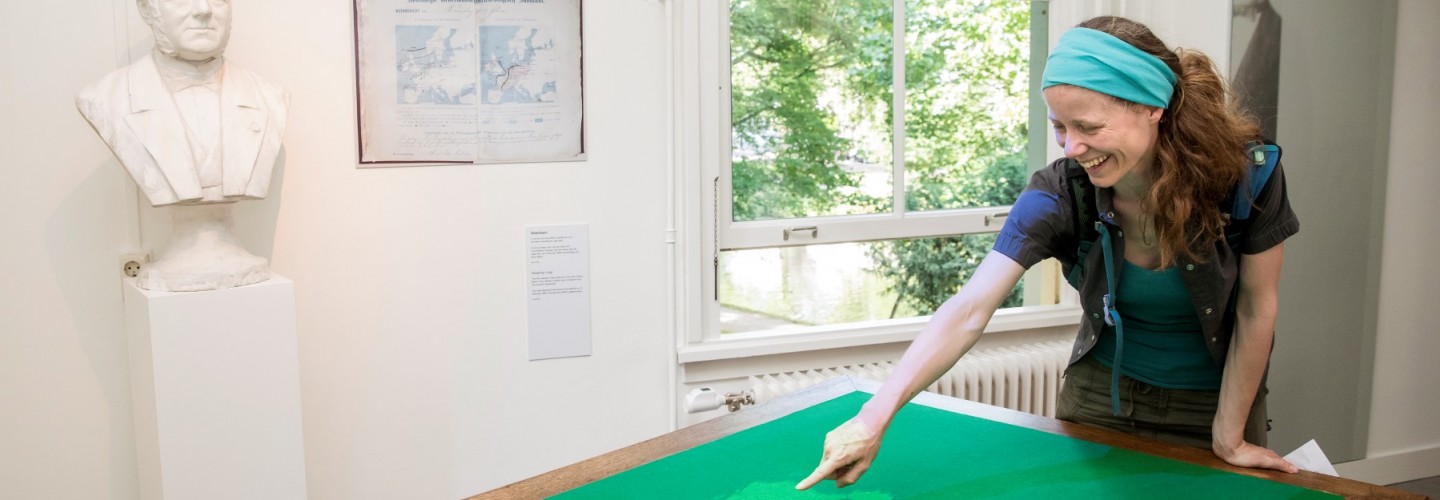
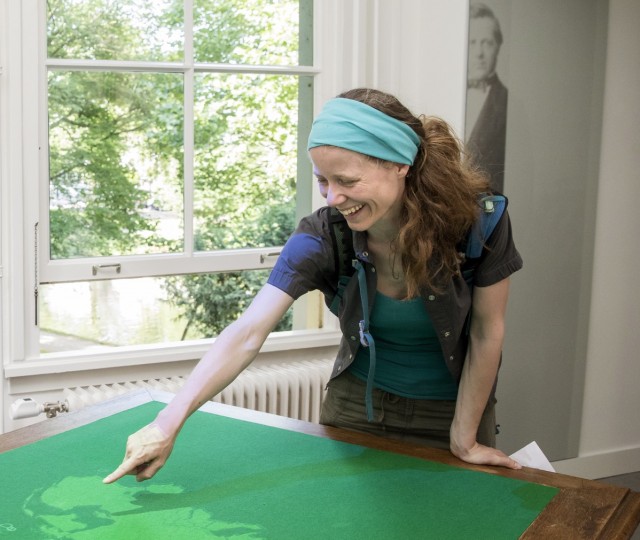
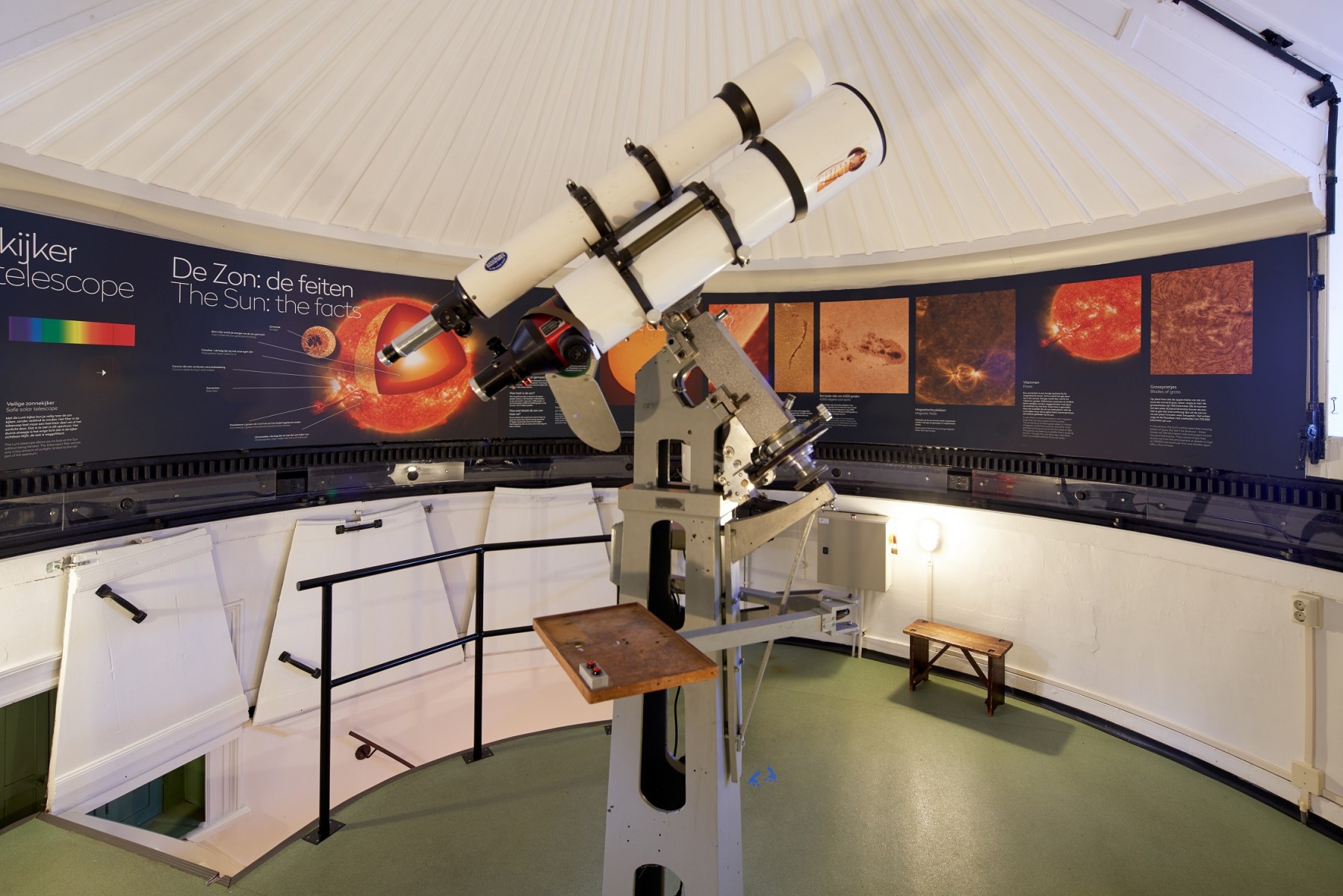
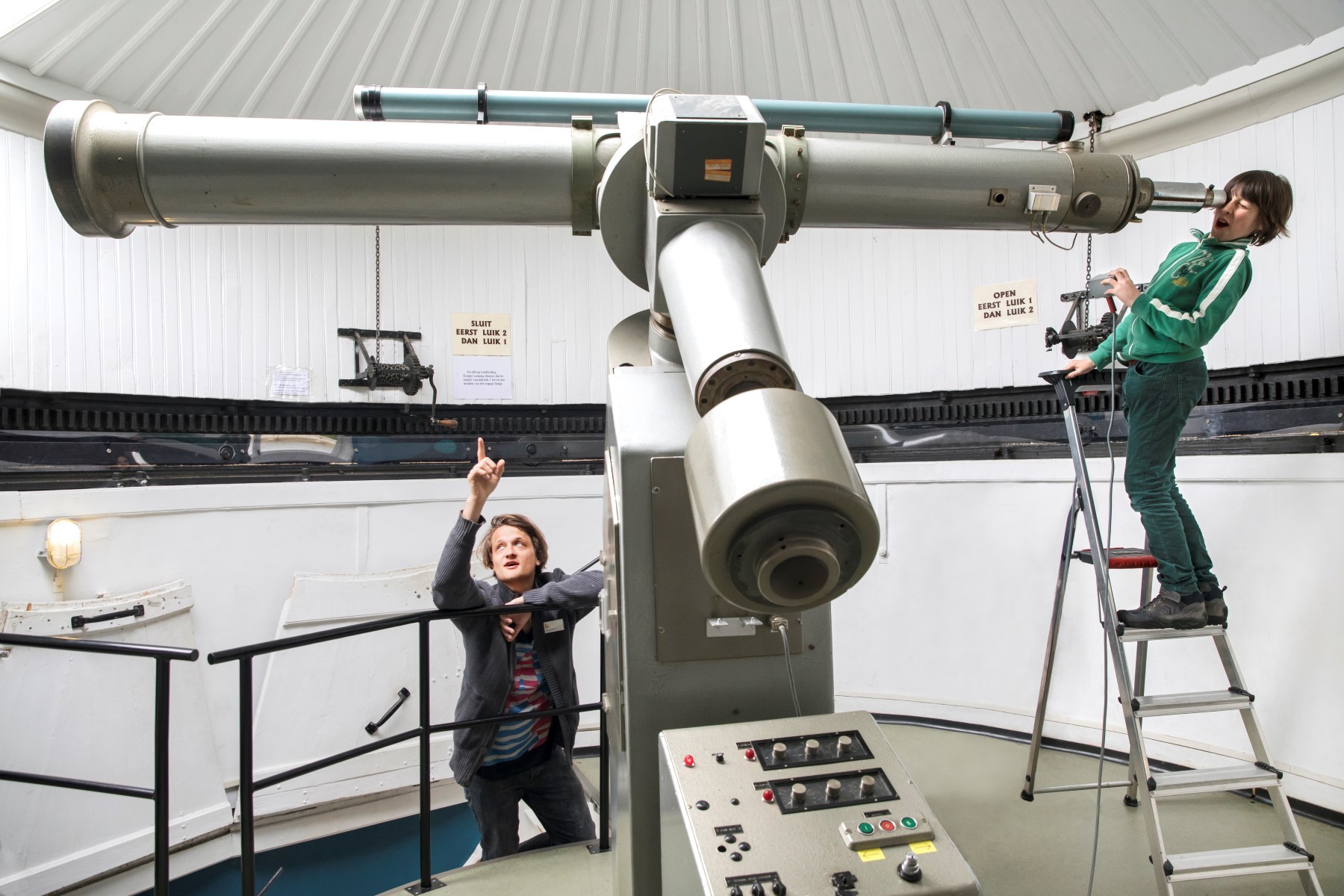
Climb the stairs up to the 19th century telescope domes and gaze at the stars. Find out more about meteorology at the place where Dutch weather forecasts were first introduced. Discover what the Sun is made of and experience the history of a Utrecht 16th century bastion.
Exhibitions
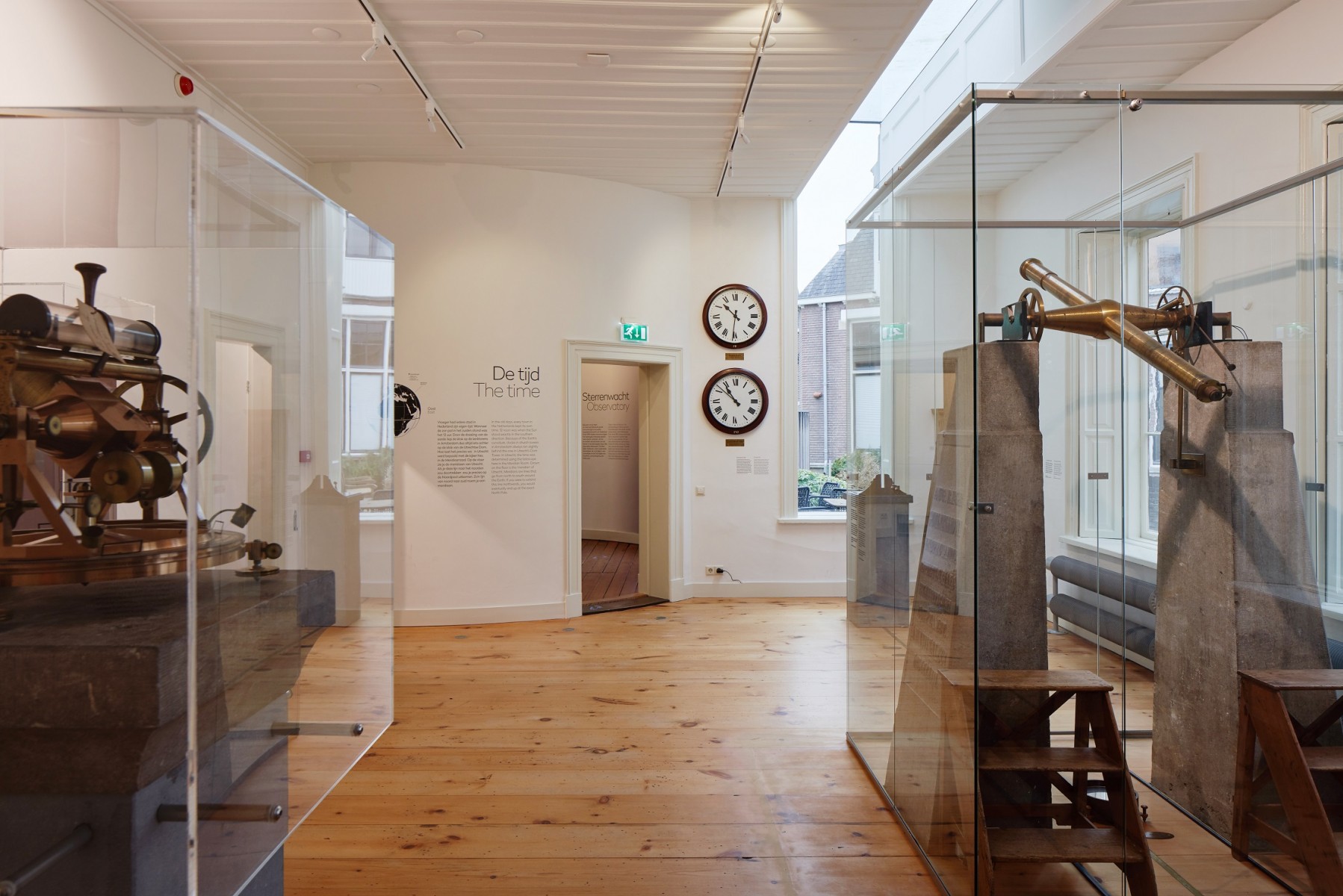
Sonnenborgh is an authentic 19th century observatory with three telescope domes, built on top of a 16th century bastion. The beautiful historic building is an exhibition in and of itself. Inside, you can learn about all of the subjects related to Sonnenborgh: the weather, the Sun, astronomical observations with telescopes, measuring time using the Meridian etc.
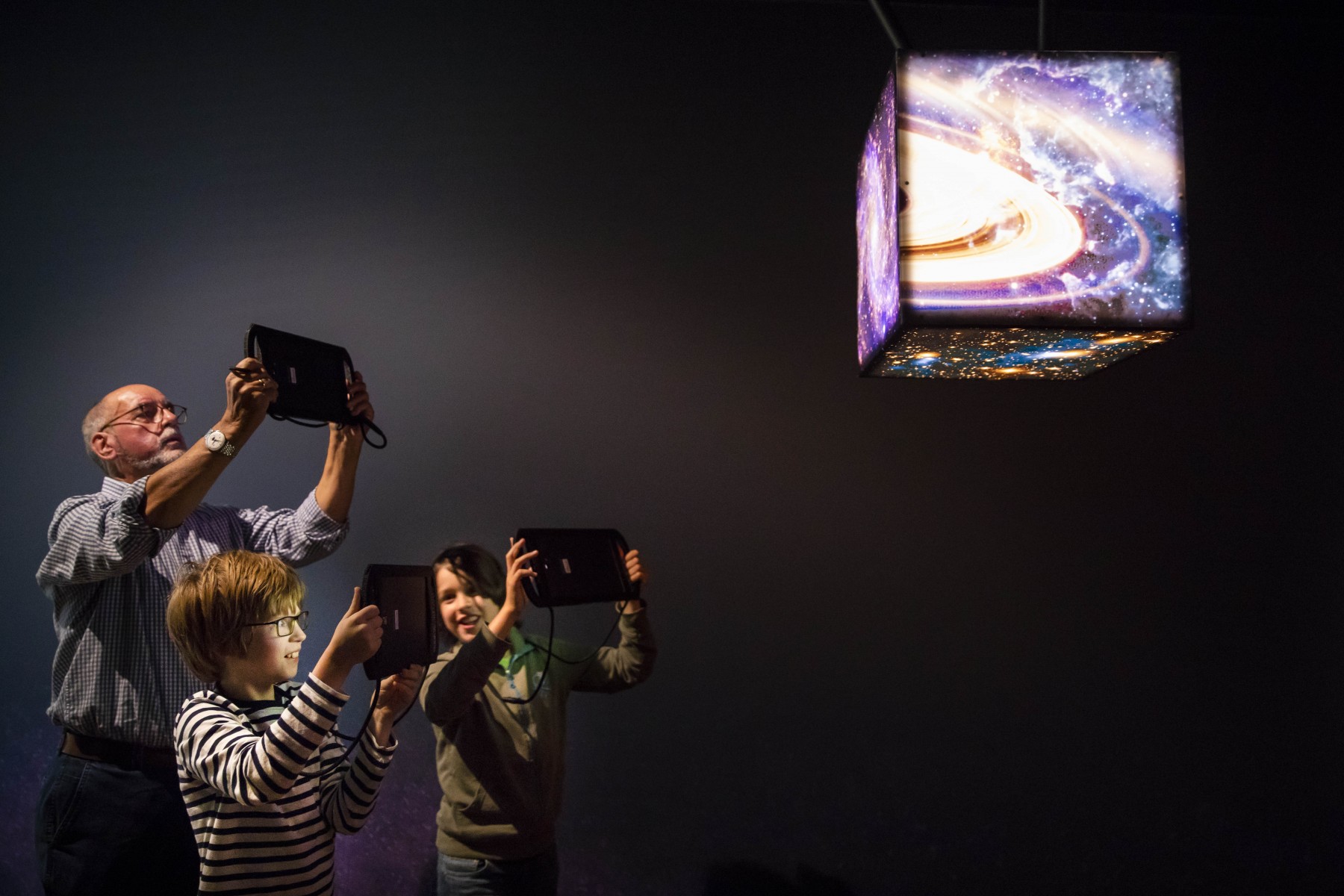
Bringing far away closer by
At what speed do we race across the galaxy? What's the stuff that the sun is made of? And how about us? Does extraterrestrial life exist? How do you measure time? Find the answers to all of these questions, and more, at museum Sonnenborgh. Visit and point a telescope at the sky. Disappear in a black hole. Build your own satellite. But above all, explore! A tablet will be your guide, ask you questions and challenge you along the way.
New at Sonnenborgh: On Earth
Starting April 24, experience On Earth — a powerful and thought-provoking journey that inspires wonder and invites you to see the world through new eyes. Step into a philosophical exploration through stories, art, and science that reflects on climate change and our relationship with the planet.
As a visitor, you’ll follow Elin, a primary school teacher in search of a new narrative to help her students understand the climate crisis in a different way. Her story unfolds in her study and creative workspace, where she builds this narrative through sensory installations that invite reflection and interaction. On Earth explores how storytelling shapes the way we understand our planet.
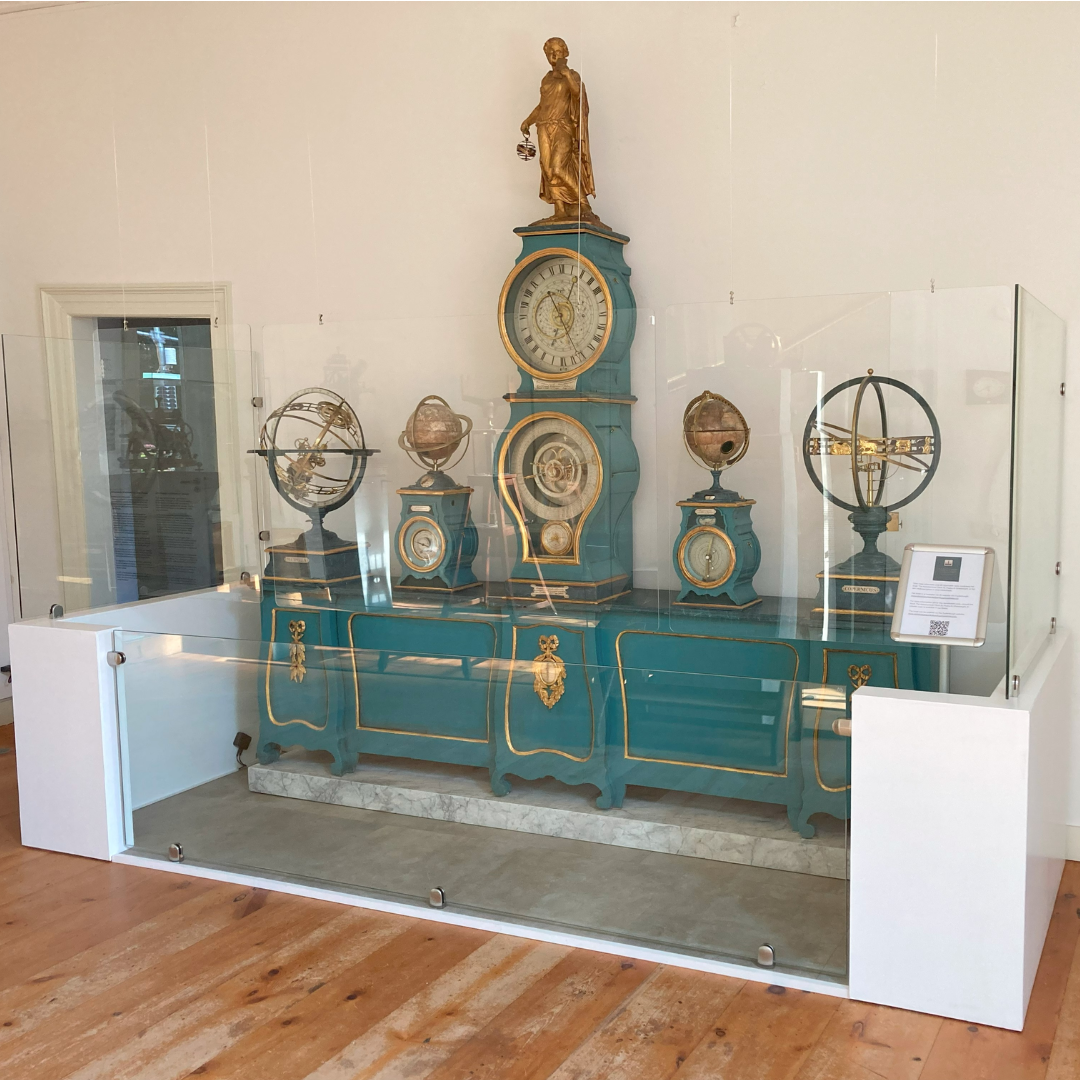
Astronomical Cabinet by Jean Paulus — temporarily on view at Sonnenborgh
Displayed in the meridian room, the cabinet offers a rare glimpse into the scientific craftsmanship of the 18th and 19th centuries and reveals how researchers and collectors engaged with astronomy.
This remarkable timepiece was begun in 1771 by the French instrument maker Jean Paulus. Due to problems with his eyesight, he was unable to complete the work. Over time, the mechanism became dispersed and fell into obscurity, but it was later restored and expanded several times.
The cabinet has had a turbulent history: from an unfinished project to a meticulously restored instrument complete with music drum and calendar dial. Thanks to recent restorations by Pieter de Ruiter, commissioned by Bert Degenaar (Planetarium Zuylenburgh), it is now in excellent condition and offers a rare window into astronomical instruments from the 18th and 19th centuries.
Measuring over three metres wide and more than 2.5 metres tall, the cabinet contains a fascinating collection of globes and planetaria. Particularly striking are the rare world system of Martianus Capella from the 5th century and the heliocentric model of Copernicus from the 16th century. Various dials display information on calendars, timekeeping, planetary positions, the phases of the moon, and the orbits of Jupiter’s four largest moons, along with many other astronomical data.
You can find more information about the piece here.
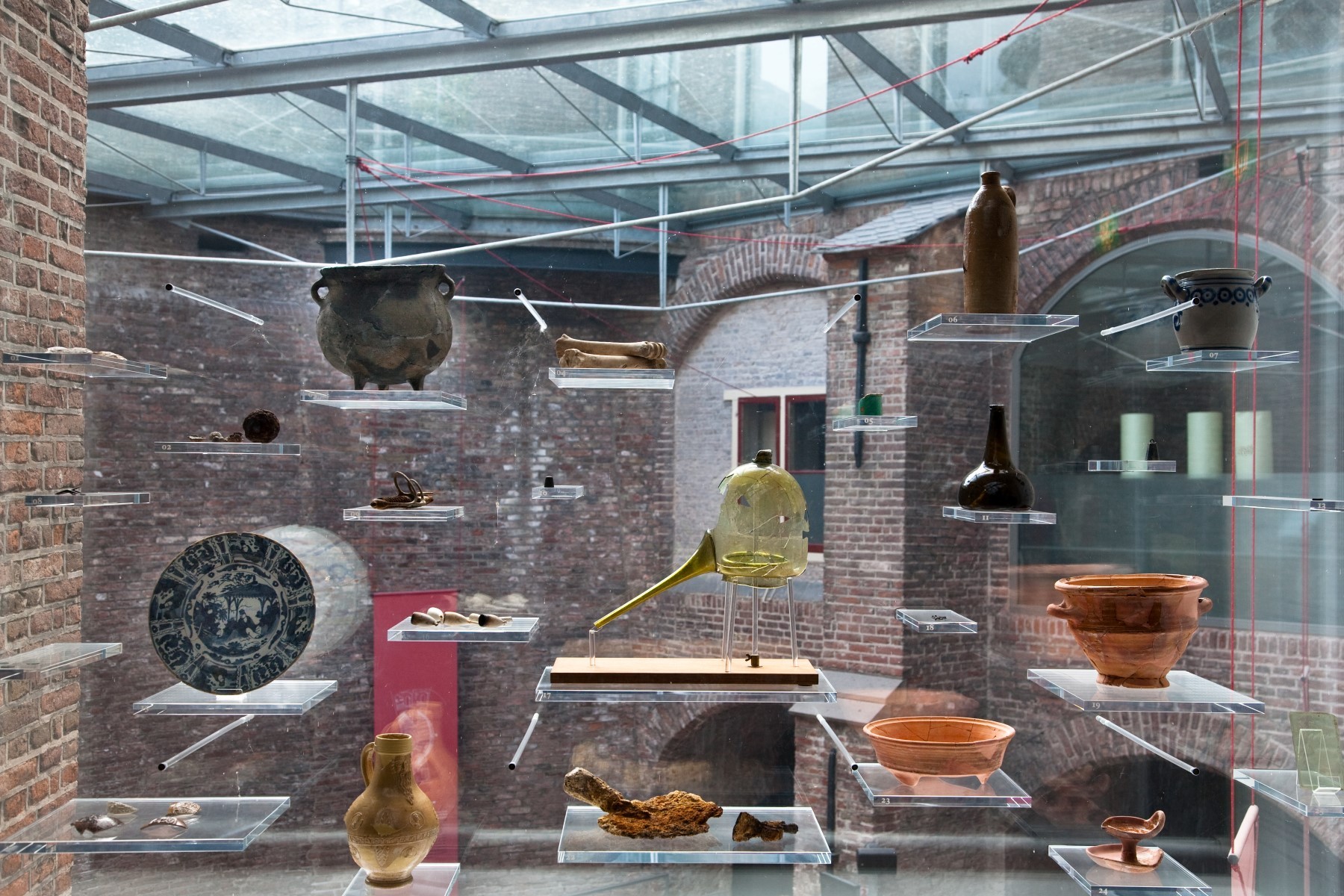
The bastion
The bastion Sonnenborgh was built in 1552 commissioned by emperor Charles V to defend Utrecht against a new weapon: the cannon. Following the construction of the Zocher gardens in around 1840, a large portion of the bastion was buried underground. From 1998 to 2003 these fortifications were intensively studied and restored. The entry gate was the first structure to be brought to light. The archaeologists then made further significant finds, such as a chemistry laboratory dating back to around 1700 AD. Of all the bastions in Utrecht, Sonnenborgh has remained the best preserved. Even in comparison with other North European examples, it is in exceptionally good condition. Take a stroll past the unique spots of this 16th Century bastion and become acquainted with its long hidden secrets.
Star viewing
Would you like to see the surface of the sun up close with your own eyes? Visit the observatory for Sun on Sunday: every week, year round, visitors have the opportunity to look through the one of the largest solar telescopes in the Netherlands.
Take a look at the nighttime sky? In autumn and winter you can peer through the telescopes every last Thursday and Friday of the month, during our English Stargazing Nights. The programm always consists of a lecture, a demonstration of the telescope and a short tour around the museum. For tickets, please visit this page. Please note that once tickets become available, they run out quickly. To be informed the moment tickets go online, please subscribe to our newsletter.
Guided tours
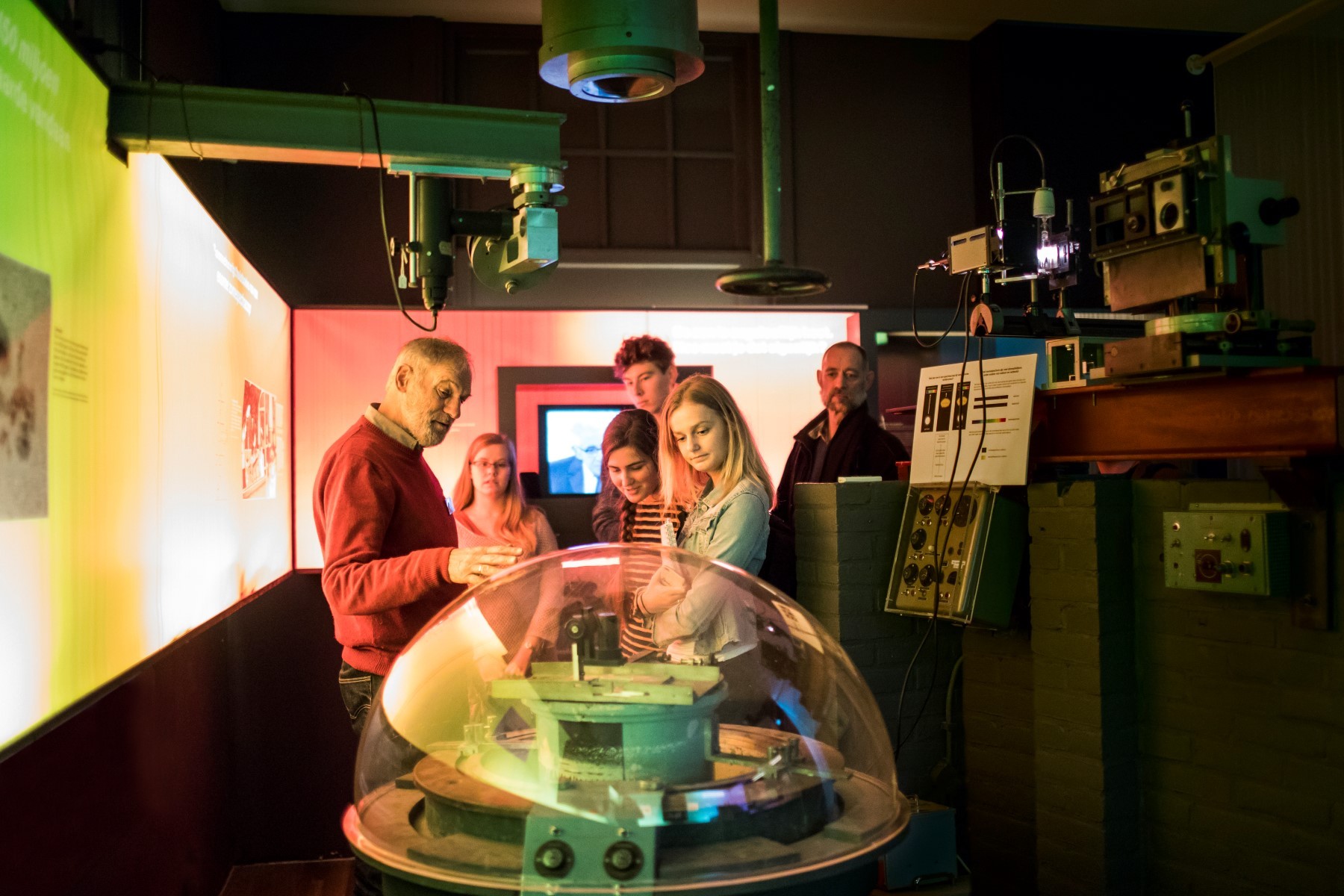
It is possible to book a private English spoken guided tour. Please contact us at tel. 030-8201420 (Tuesday to Friday from 11:00 to 17:00) or send an e-mail to info@sonnenborgh.nl, at least three weeks in advance.